Featured
The Greatest Guide To Pricing Transparency That APFSC Dis...
What Does Understanding Multiple Avoid Spending Money You...


Rumored Buzz on Chapter 7 Fundamentals and Eligibility
Table of Contents
That releases up cash in the brief term, and you might have three to 4 years to conserve toward the settlement amount. Extremely dangerous to credit rating, mostly due to missed out on repayments and an unfavorable "resolved" mark that could remain on your credit rating record for approximately 7 yearsMay be only alternative if other choices (financial debt combination, balance transfer bank card, debt mercy) aren't possibleTypically calls for a fee to the 3rd party, which might balance out some or all of the financial savings from financial obligation settlementMay aid you prevent personal bankruptcy if you have actually missed numerous paymentsNot all lenders work with debt settlement companies Debt mercy may be appropriate for you if you are experiencing a financial difficulty that makes it nearly impossible to pay for your debt equilibriums.
With a DMP, you make one month-to-month payment to the credit scores therapy company. Those funds are after that dispersed to lenders of your unprotected financial debts, such as bank card and installment finances. The agency functions with your lenders to minimize rate of interest or forgo fees, yet some lenders might refuse such giving ins.
It can aid you pay down debt if you're able to secure a financing rate that's lower than the ordinary price of the accounts you're settling. You have to abstain from racking up debt on those newly cleared accounts or your debt can grow also higher.
These cards usually use a 0% rate of interest introductory duration of up to 21 months. That offers you a lot of time to get rid of or substantially lower your balance while making interest-free settlements. For some people encountering impossible debt, insolvency may be the only means to stop collection procedures and legitimately resolve their debts.
Getting My Is It Worth Compared to Self-Guided Options To Work
You might need it if your lender or a collection agency ever tries to collect on the debt in the future. When a loan provider forgives $600 or even more, they are needed to send you Type 1099-C.
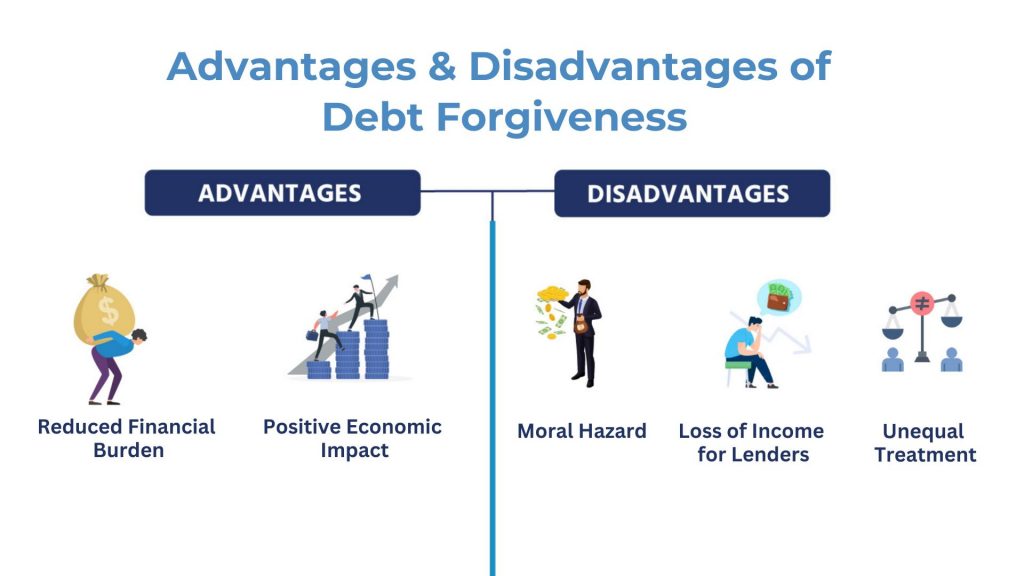
Debt forgiveness or negotiation usually harms your credit history. Anytime you resolve a financial debt for much less than you owe, it might show up as "worked out" on your credit rating record and affect your credit report rating for seven years from the day of negotiation. Your credit report can likewise drop significantly in the months leading to the forgiveness if you fall behind on repayments.
The Greatest Guide To Actual Testimonials from Families Who Secured Relief
This scenario often results from underreporting income, not submitting returns on time, or inconsistencies found throughout an IRS audit. The effects of accumulating tax financial obligation are serious and can consist of tax obligation liens, which provide the Internal revenue service a lawful claim to your home as safety for the financial debt.
Incomes and Bank Accounts Internal revenue service can impose (confiscate) earnings and bank accounts to please the financial debt. Building Seizure In extreme instances, the IRS can seize and market residential property to cover the financial debt.
Clinical depression, stress and anxiety, and other mental health problems. Social Preconception Facing lawful action from the IRS can carry social preconception. Damages to reputation and connections. Work Opportunities A poor credit report due to exhaust financial debt can limit job opportunity. Trouble finding or keeping a work. Government Benefits Tax debt might impact eligibility for federal government advantages, such as Social Safety and Medicaid.
The smart Trick of What to Budget for Professional Counseling Help That Nobody is Talking About
The OIC considers a number of aspects, including the taxpayer's income, costs, possession equity, and capacity to pay. Efficiently discussing an OIC can be complex, calling for a complete understanding of the internal revenue service's standards and a strong disagreement for why your deal aligns with your ability to pay. It is essential to note that not all applications are accepted, and the procedure needs detailed financial disclosure.
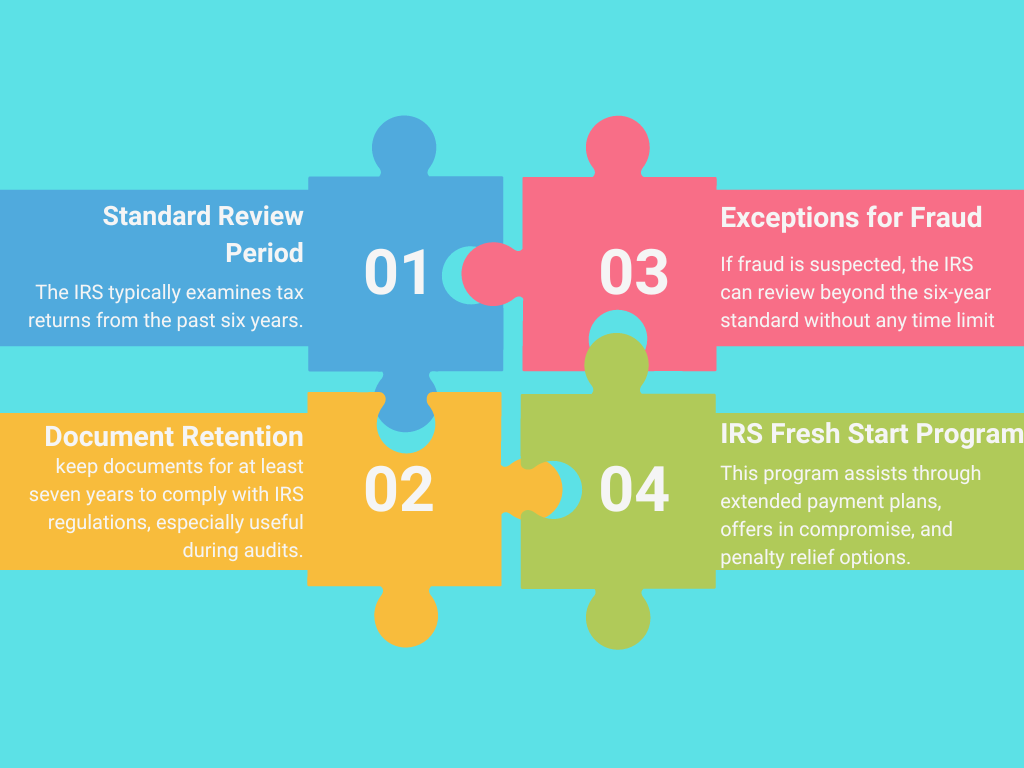
The internal revenue service evaluates your total economic situation, including your earnings, expenses, possession equity, and ability to pay. You must likewise be present with all declaring and settlement demands and not be in an open personal bankruptcy proceeding. The internal revenue service additionally considers your conformity history, evaluating whether you have a record of prompt declaring and paying taxes in previous years.
About Understanding Your Protections in Bankruptcy Proceedings
The application procedure for an Offer in Concession involves a number of comprehensive steps. Initially, you should complete and submit internal revenue service Kind 656, the Offer in Concession application, and Form 433-A (OIC), a collection info statement for individuals. These forms need extensive economic information, including details concerning your earnings, debts, expenditures, and properties.
Back tax obligations, which are unsettled tax obligations from previous years, can substantially boost your complete IRS financial debt if not attended to quickly. This financial obligation can accumulate passion and late repayment penalties, making the original quantity owed a lot bigger in time. Failure to pay back tax obligations can lead to the IRS taking enforcement activities, such as releasing a tax lien or levy against your residential or commercial property.
It is important to address back tax obligations asap, either by paying the sum total owed or by preparing a repayment strategy with the internal revenue service. By taking proactive steps, you can prevent the buildup of additional passion and penalties, and avoid more hostile collection actions by the IRS.
One common reason is the idea that the taxpayer can pay the complete quantity either as a round figure or with a layaway plan. The IRS also thinks about the taxpayer's earnings, expenditures, possession equity, and future earning possibility. If these aspects show that the taxpayer can manage to pay greater than the used amount, the internal revenue service is most likely to decline the offer.
Get This Report on Ways to Connect With a Counselor with the Debt Forgiveness Journey
Dealing with Internal revenue service debt can be intricate and difficult. Tax obligation professionals, such as Certified public accountants, tax lawyers, or enlisted agents, can supply indispensable help.

Table of Contents
Latest Posts

The Greatest Guide To Pricing Transparency That APFSC Disclose
Rumored Buzz on Chapter 7 Fundamentals and Eligibility
What Does Understanding Multiple Avoid Spending Money You Don’t Have This Holiday Season : APFSC You May Know About Mean?
More
Latest Posts
The Greatest Guide To Pricing Transparency That APFSC Disclose
Rumored Buzz on Chapter 7 Fundamentals and Eligibility
What Does Understanding Multiple Avoid Spending Money You Don’t Have This Holiday Season : APFSC You May Know About Mean?